Ultimate Ninjas Children's Book coming to Amazon on Aril 24th!



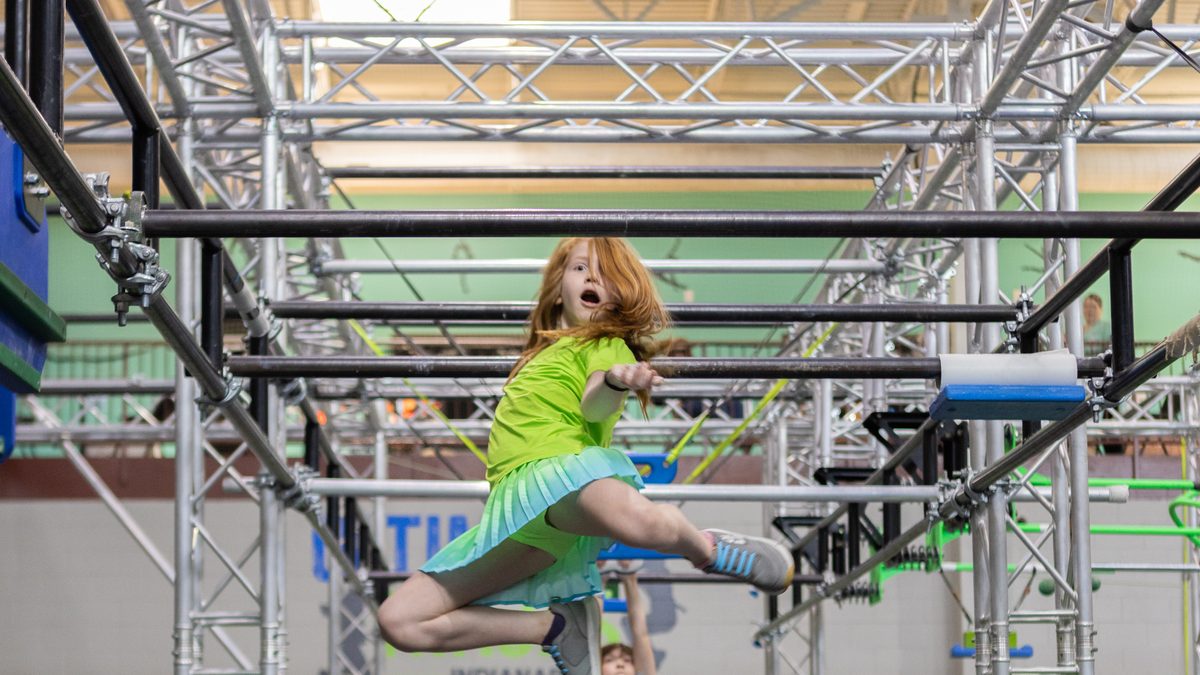
The after-school window is short and most families are solving three things at once: burn off energy, build a skill, and not add stress to the evening. Here is how one active class a week compares to the other options.
Table of Contents
The After-School Problem
Kids sit for most of the school day. Then they get in a car, and for a lot of families the next few hours are homework, dinner, and screens. The energy has nowhere to go, and it usually comes out somewhere less convenient.
At the same time, the calendar is tight. Anything that requires three practices a week plus weekend games is a big commitment for a family that is already stretched. And a lot of kids either did not connect with team sports or have not found one they want to commit to.
What is left is a fairly narrow target: something active, something with a real skill attached, and something that does not take over the week.
Why Movement Based Programs Work Here
The energy problem gets solved directly
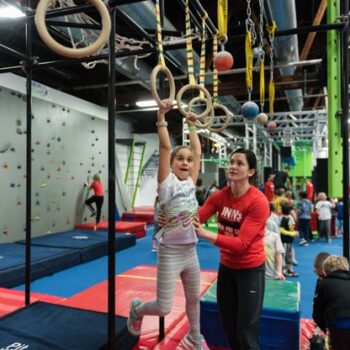
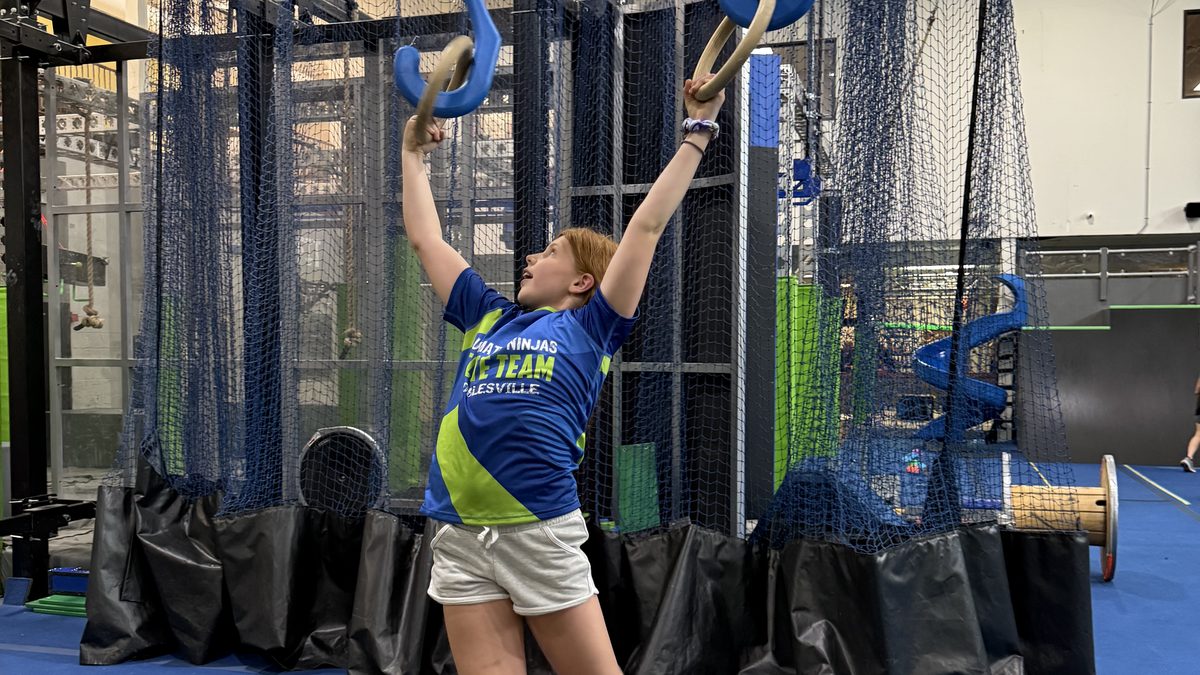
Kids are moving for most of the class. There is very little standing in line, and no bench. Most parents report a calmer evening on class days.
There is no team schedule to organize your life around
One class a week is a real commitment level. Missing a week does not let anyone down. For families juggling multiple kids, that flexibility is often the deciding factor.
Progress is visible and self paced
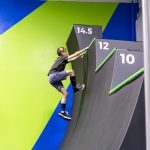
Kids compete against the obstacle and their own last attempt. A kid who is not the fastest in the group can still be the one who finally got the warped wall, and that counts as a win in this environment.
It gives kids something to be known for
Especially for kids who are not the ones getting picked first in gym class. Having an activity where they are visibly improving does something for how they carry themselves at school.
How It Compares to Other After-School Options
| Option | Weekly time | Activity level | Schedule flexibility |
|---|---|---|---|
| Ninja training | 1 class, about 1 hour | High | High |
| Team sport | 2 to 4 practices plus games | Varies by position | Low |
| Martial arts | 2 to 3 classes | Moderate to high | Moderate |
| Music lessons | 1 lesson plus practice | None | High |
| Tutoring or academic | 1 to 2 sessions | None | Moderate |
| School aftercare | Daily | Low to moderate | Fixed |
None of these are competitors exactly. Plenty of families do a sport in season and ninja training in the off season, or pair one active activity with one quiet one. The comparison is mostly useful for figuring out what your week can absorb.
The Logistics That Actually Matter
This is usually what determines whether an activity sticks, more than the activity itself.
Timing relative to school dismissal
The gap between dismissal and class start decides whether you get a snack in and whether you are rushing. Weekday class times vary by location, so check the schedule at your gym and work backward from your school’s dismissal time.
Whether siblings can be handled
If you have two kids at different ages, ask whether they can be in overlapping or back to back classes. Two separate trips kills a lot of otherwise good activities.
What you do during class
An hour is long enough to be annoying if there is nowhere to sit and short enough that going home is not worth it. Check the viewing area when you visit.
Makeups and missed weeks
Kids get sick, school runs late, things come up. A program with a workable makeup policy is worth meaningfully more than one without. Policies are set locally, so ask before you enroll.
What About Homework?
The usual worry is that an evening activity eats homework time. In practice most families report the opposite effect, at least for kids who struggle to sit still. An hour of hard physical activity tends to make the sitting down part easier afterward.
That said, it depends on your kid and your schedule. If homework load is heavy, a class earlier in the week or earlier in the evening usually works better than a late one.
Frequently Asked Questions
What ages is this for?
After-school ninja classes generally run from about age five through the early teens, split into groups by age and level. Exact age brackets vary by location.
Does my child need to be athletic?
No. A lot of kids in these classes are here specifically because organized sports did not work out for them.
How often should they come?
Once a week is the standard and it is enough to see steady progress. Kids who get hooked often add a second class or open gym time on their own.
Is it a drop off program?
Yes for most age groups, though parents are welcome to stay and watch.
Can we try it once before committing?
Most locations offer a way to try a class before enrolling. Trial offers differ by gym, so check your location’s page or call to ask what is available.
What happens during school breaks?
Most gyms run camps during school breaks and summer, which gives families a way to keep the routine going when classes pause.
How do kids move up levels?
Coaches evaluate against a set of skills rather than time served, so a kid moves up when they can demonstrate the requirements. Ask your gym for the specific list.
Find a Class Near You
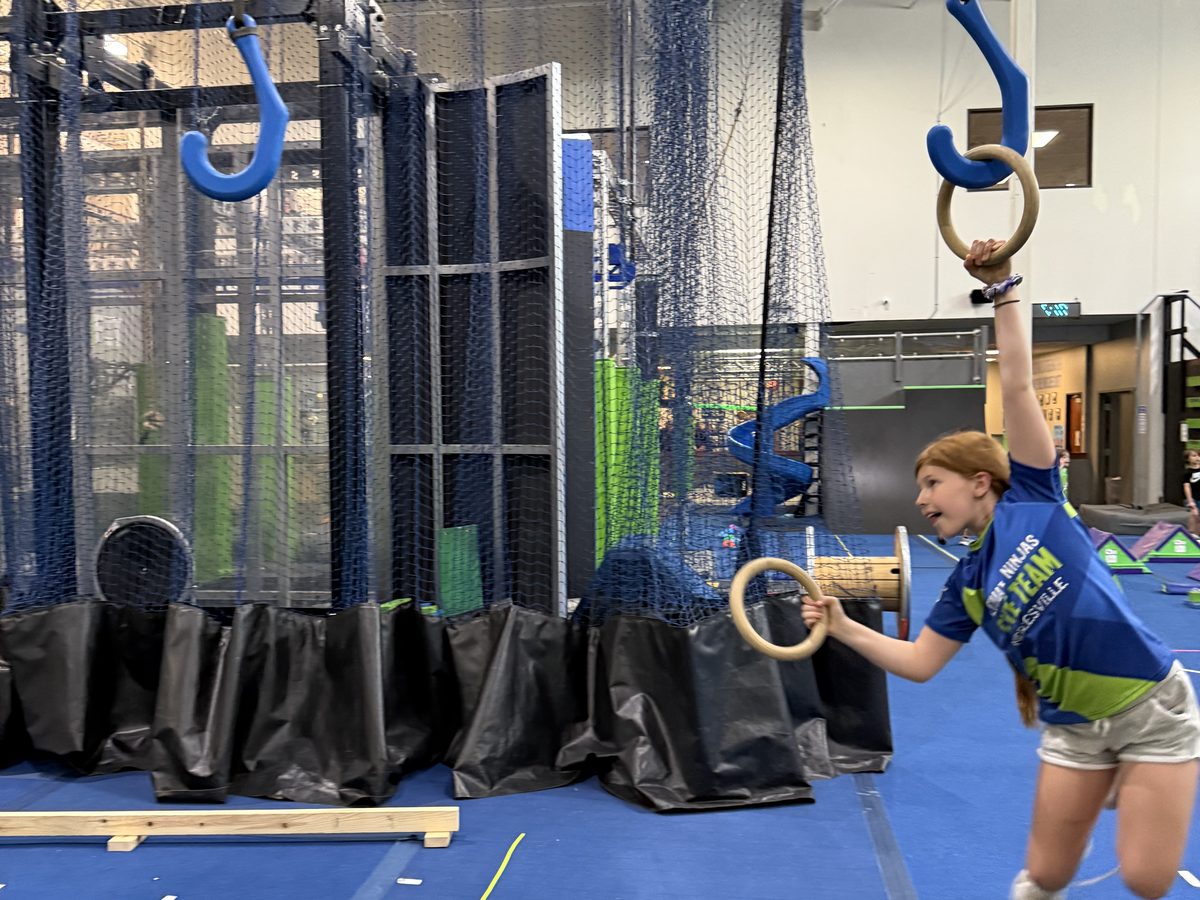
If the after-school hours are the hard part of your day, one active class a week is a small change that tends to make a noticeable difference. Pick your location below to see weekday class times.
kids classes
About the Author
These articles are written by the coaching team at Ultimate Ninjas. Our curriculum is developed by experts in youth athletic development, combining principles of biomechanics, sports psychology, and motor learning. With years of experience on the mats, we are committed to providing science-backed, safe, and effective training methods for every child.
Disclaimer: The information provided in these blog posts is for educational and informational purposes only and does not constitute professional medical advice, diagnosis, or treatment. Always seek the advice of your physician or other qualified health provider with any questions you may have regarding a medical condition or physical training.

About the Author
These articles are written by the coaching team at Ultimate Ninjas. Our curriculum is developed by experts in youth athletic development, combining principles of biomechanics, sports psychology, and motor learning. With years of experience on the mats, we are committed to providing science-backed, safe, and effective training methods for every child.