Ultimate Ninjas Children's Book coming to Amazon on Aril 24th!



Best Kids’ Fitness Classes: What to Look For
The phrase “kids fitness class” covers everything from structured strength programs to supervised playtime. Here are six things that actually matter when you compare programs, plus a checklist you can take to any gym in your area.
Table of Contents
Why “Fitness Class” Means Very Different Things
Search for kids fitness classes and you will get gymnastics, martial arts, dance, sports skills clinics, ninja gyms, and a handful of programs that are essentially supervised playtime with a schedule.
All of those can be good. They are not interchangeable. A tumbling class and an obstacle course class both build strength, but they teach different things and they suit different kids. The useful question is not which activity is best. It is which program is actually running a program.
Six Things That Actually Matter
1. There is a written progression
Ask what a child works on in month one versus month six. A good program has an answer. If the answer is vague, the classes are probably being improvised week to week, which is fine for entertainment and weak for development.
Ultimate Ninjas uses The Twelve Pillars for this reason. It defines what gets taught, in what order, and what a kid needs to demonstrate before moving up.
2. Coaches coach, they do not just supervise
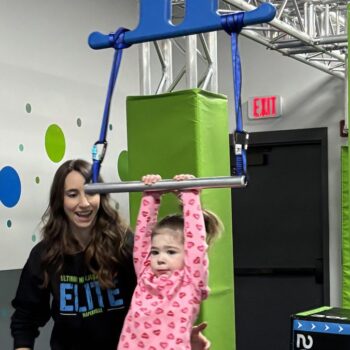
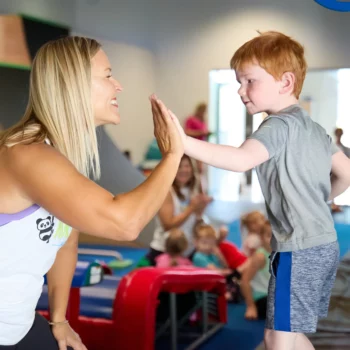
Watch a class before you sign up. Are coaches correcting form, giving specific feedback, and adjusting obstacles per kid? Or are they standing at the side counting heads? The difference shows up in whether your child improves.
3. The group size lets kids get attention
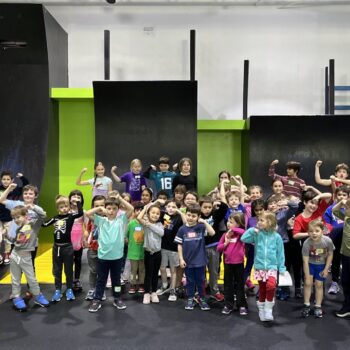
Twelve kids to one coach means most of the class is spent waiting. Small groups mean more repetitions and more correction. Ask for the actual ratio, not the maximum capacity.
4. Kids of different abilities can do the same class
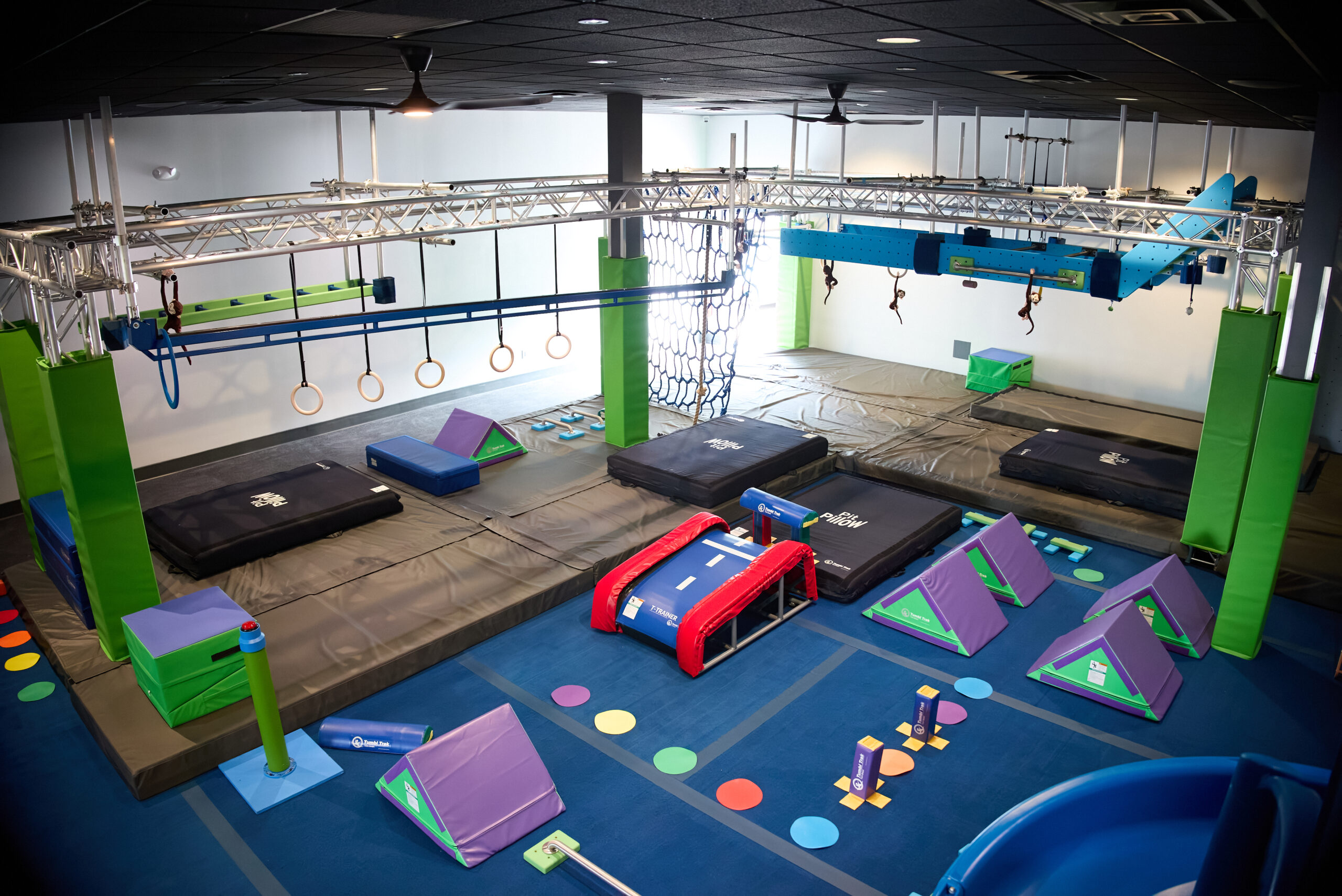
This is the biggest practical difference between programs. In a well run class, a strong kid and a beginner do the same obstacle at different difficulty levels. In a poorly run one, the beginner sits out or gets embarrassed.
5. Failure is normal and low stakes
Kids should be falling off things. Not getting hurt, but not succeeding on the first try either. If every kid completes every station easily, the class is too easy to build anything. If kids seem anxious about failing, the culture is off.
6. Your child wants to go back
The best program in your area is worthless if your kid resists going. Attendance is the only variable that reliably predicts results at this age. Whatever they will do consistently beats whatever is technically optimal.
What Matters Less Than People Think
- How new the facility looks. Clean and safe matters. New matters much less.
- How much equipment there is. A gym with six well used obstacles run by good coaches beats a gym with thirty and nobody teaching.
- Competition options. Great if your kid ends up wanting them. Not a reason to pick a program at the start.
- Whether your child is athletic already. Programs that only work for athletic kids are not programs, they are filters.
- Class length. A focused 45 minutes does more than a loose 90.
Comparing the Common Options
Broad strokes, and there is variation inside every category.
| Program type | Main strength | Watch out for |
|---|---|---|
| Ninja and obstacle course | Full body strength, high engagement, self paced | Quality varies widely by coaching |
| Gymnastics | Excellent body control and discipline | Can feel repetitive for some kids |
| Martial arts | Structure, focus, clear belt progression | Less cardiovascular work in some styles |
| Team sports | Social skills, teamwork | Playing time and skill gaps between kids |
| Dance | Coordination, rhythm, expression | Performance pressure at some studios |
| General kids fitness | Variety, low commitment | Often no real progression |
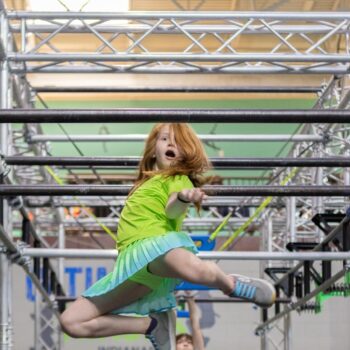
Obstacle training tends to work for kids who have already tried a team sport and did not connect with it. There is no bench, no position, and no teammate depending on them. The obstacle is the opponent.
A Checklist to Take With You
Use this at any program you are considering, including ours.
- Can I watch a full class before signing up?
- What is the coach to child ratio?
- What does a child work on in month one compared to month six?
- How do you handle a child who is far behind or far ahead of the group?
- What training do your coaches have?
- What is the trial or first class policy?
- How do kids move up a level, and who decides?
- What does the total cost look like, including any registration or gear?
Ratios, coach training, trial offers, and pricing are set by each location, so call the gym nearest you and ask directly. A program worth joining will answer all eight without hedging.
Frequently Asked Questions
How young can kids start a fitness class?
Structured classes generally start around age three. Before that, parent and child movement classes are a better fit. Minimum ages vary by location.
How often should kids attend?
Once a week builds steady skill. Twice a week accelerates it noticeably. More than that is usually only worth it for kids who are asking for it.
Is strength training safe for kids?
Bodyweight training is safe and well supported for children when it is properly coached. Obstacle work is bodyweight training that happens to be fun, which is why kids stick with it.
My child says they hate exercise. Will this be different?
Often, yes. Most kids who say they hate exercise mean they hate running laps or being picked last. Climbing a wall does not read as exercise to them.
What if my child has a coordination delay or a sensory difference?
Talk to the gym before enrolling. Many kids with coordination or sensory differences do well in obstacle programs because the work is self paced and the feedback is immediate. Coaches can plan for it when they know in advance.
How do I compare cost across programs?
Look at cost per class rather than monthly total, and ask what else is required. Registration fees, uniforms, and competition costs can change the real number significantly.
Find Classes Near You
If you are comparing programs, come watch a class. Bring the checklist above and ask the questions. Pick your location below to see current schedules.
About the Author
These articles are written by the coaching team at Ultimate Ninjas. Our curriculum is developed by experts in youth athletic development, combining principles of biomechanics, sports psychology, and motor learning. With years of experience on the mats, we are committed to providing science-backed, safe, and effective training methods for every child.
Disclaimer: The information provided in these blog posts is for educational and informational purposes only and does not constitute professional medical advice, diagnosis, or treatment. Always seek the advice of your physician or other qualified health provider with any questions you may have regarding a medical condition or physical training.

About the Author
These articles are written by the coaching team at Ultimate Ninjas. Our curriculum is developed by experts in youth athletic development, combining principles of biomechanics, sports psychology, and motor learning. With years of experience on the mats, we are committed to providing science-backed, safe, and effective training methods for every child.